

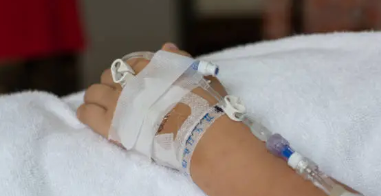
IV injections for food poisoning are one way to help patients with electrolyte imbalances and dehydration. These can be caused by persistent vomiting or diarrhea. Consuming food or drinks contaminated with viruses and bacteria can cause food poisoning. Patients typically experience nausea, diarrhea, abdominal pain, vomiting, fever, and severe weakness.
Understanding the Procedure and Benefits of IV Injections for Food Poisoning
IV injections can provide rapid treatment without worsening the patient’s condition. However, this procedure must be performed by a medical professional. This therapy can also stabilize blood pressure.
IV Injection Procedure to Treat Food Poisoning
Before performing an IV infusion procedure, medical personnel must first conduct a thorough examination of the patient. Generally, the patient’s pulse, body temperature, blood pressure, and dehydration level are assessed. If the patient is moderately to severely dehydrated, doctors usually recommend IV injections for food poisoning.
Procedure this IV injection involves administering fluids. This procedure involves using a small catheter. This catheter is slowly inserted into a vein. This intravenous fluid containing electrolytes flows slowly into the patient’s body. This is intended to speed recovery.
This treatment is especially suitable for patients who cannot consume fluids orally. The goal is to prevent food poisoning from worsening. It is an essential tool in emergency situations.
The healthcare team will continuously monitor the patient’s overall response and any emerging signs. The medical team will adjust the infusion rate and fluid composition, tailored to the patient’s needs.
This ensures that each patient receives the best care tailored to their needs. This allows for greater patient comfort and improved overall health.
Benefits of IV Injection for Food Poisoning Patients
Administering IV injections for food poisoning is highly beneficial, especially in emergency situations. Patients experience many benefits from this treatment. They will replace fluids lost through vomiting and diarrhea. The IV fluid is quickly absorbed by the body, bypassing the need for digestion.
IV injections can also help balance electrolyte levels in the body. An imbalance in electrolytes can disrupt the heart rhythm and cause muscle weakness. This can even lead to other serious complications.
In addition to its benefits, IV injections can speed up medication administration. When a patient is vomiting continuously, oral medication becomes ineffective. The intravenous route allows the medication to work more quickly.
In conclusion, IV injections for food poisoning are an effective method. They aim to speed recovery and address dehydration in patients. Through the procedure and medical supervision, the patient’s body will quickly stabilize and improve, thus preventing more serious complications.